Mason Currey studied the daily routines of 161 great creative figures. His central finding surprised everyone: the most prolific creators in history worked far fewer hours than modern knowledge workers. Four hours was a common ceiling. But those hours were deeply focused, fiercely protected, and embedded in rituals so consistent they became automatic.
That finding raised a question we couldn't let go: if the hours were so few, what held them in place?1
We spent months inside the biographies, letters, and interviews of five creators who span two centuries, four continents, and five entirely different disciplines. A Victorian naturalist. An American novelist. A Japanese runner-writer. An African American poet. A Puerto Rican musician. They share almost nothing — except one thing.
They all built a system that protected their best hours. Not discipline. Not talent. A system — a structure around the work that made the work possible, day after day, for decades.
This is the story of those five systems.
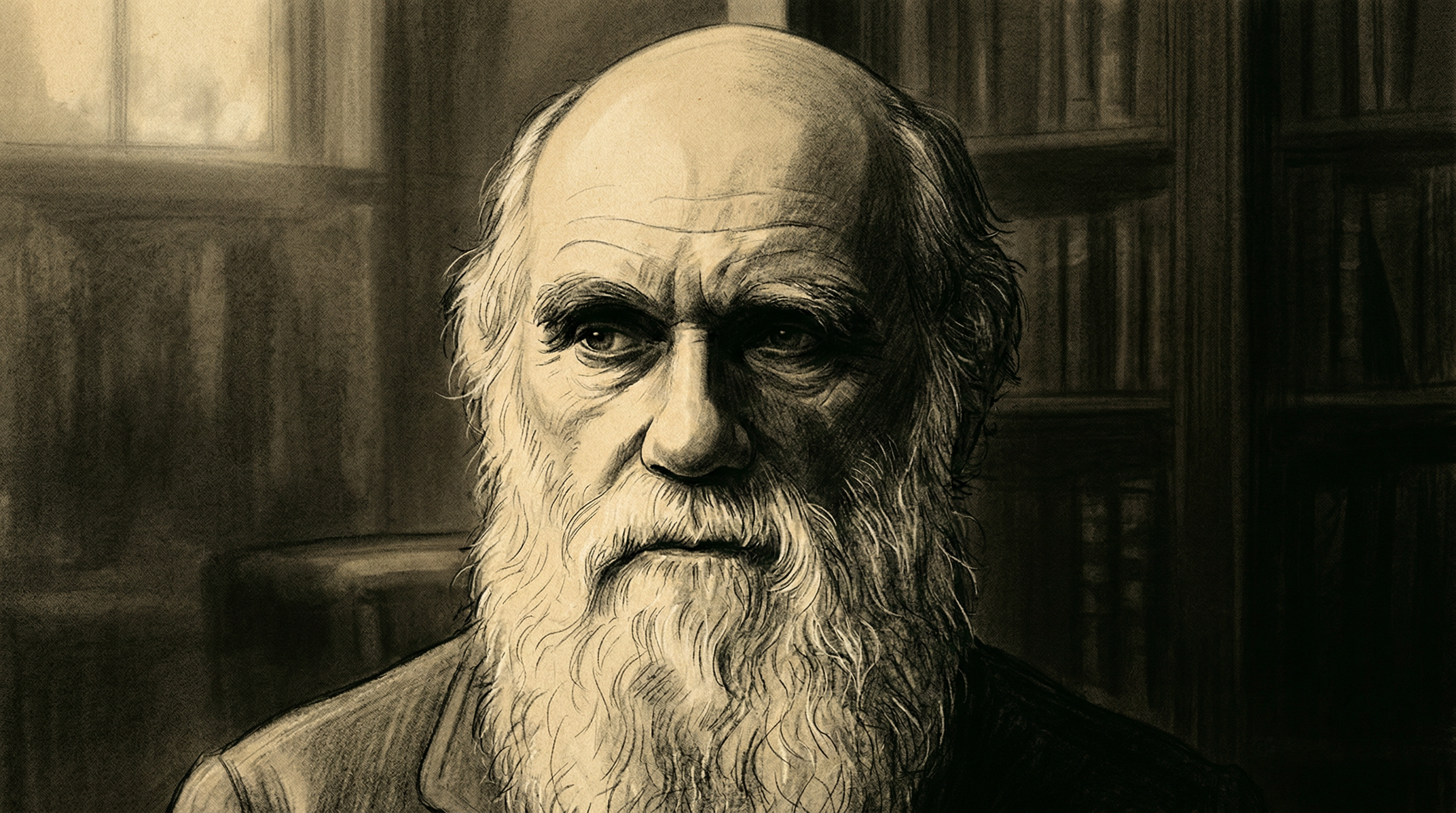
#Darwin: the man who couldn't sit still
Charles Darwin produced one of the most important theories in human history. He did it in four and a half hours a day — not because he was disciplined, but because he was sick. His body set the limit. His routine turned that limit into the most productive constraint in the history of science.
He built a gravel path behind his house. He walked it every day for forty years. That path is why you've heard of him.
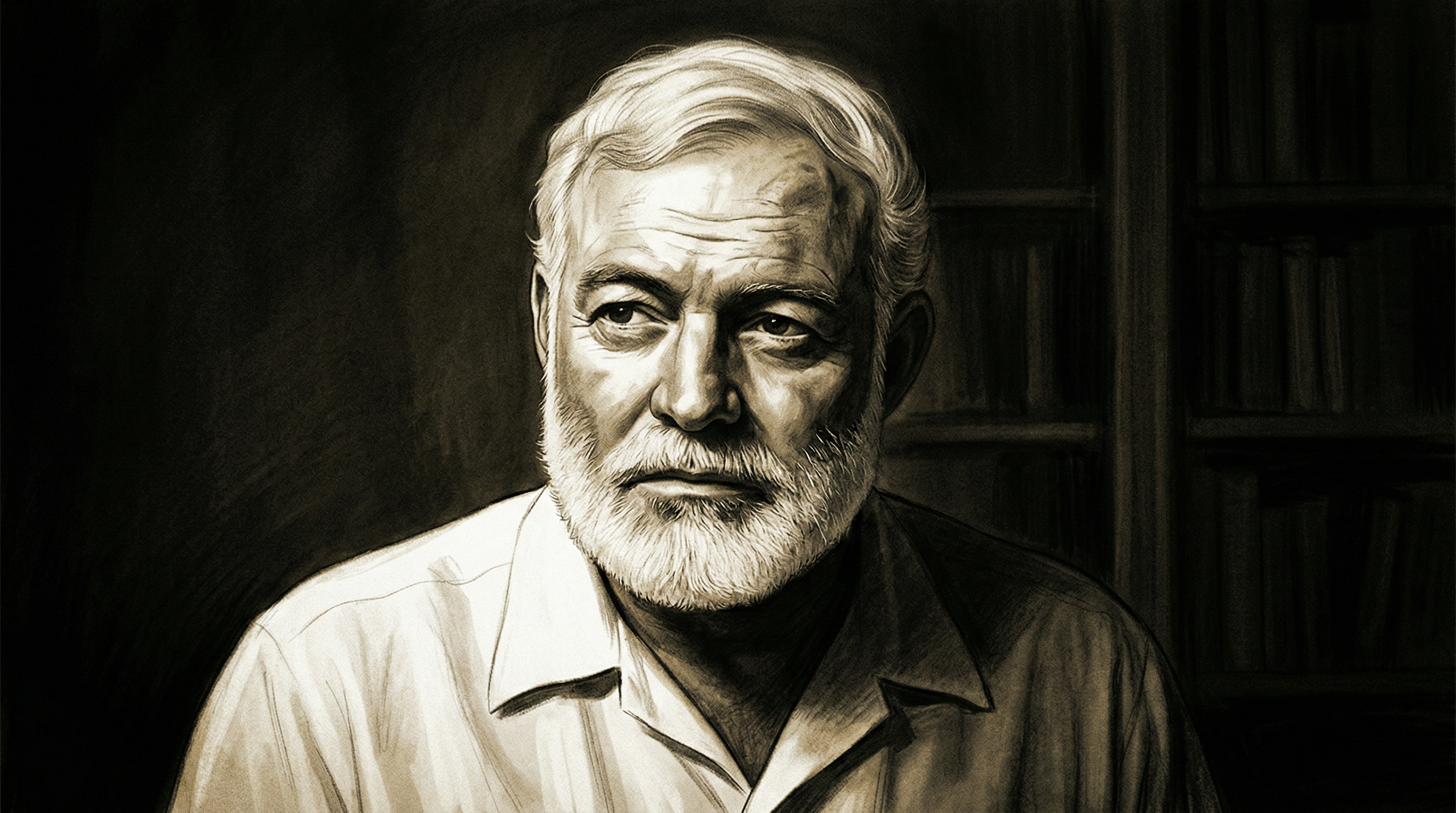
#Hemingway: the room he couldn't pack
Ernest Hemingway lived in dozens of places. Hotels, apartments, houses in three countries. But he only wrote well in one: Finca Vigía, a farmhouse outside Havana. When he lost it, he lost something he never recovered.
What was it about that house? It wasn't luxury. It was architecture — the exact configuration of space, light, and distance from the world that let the sentences come.
Read Hemingway's full portrait →
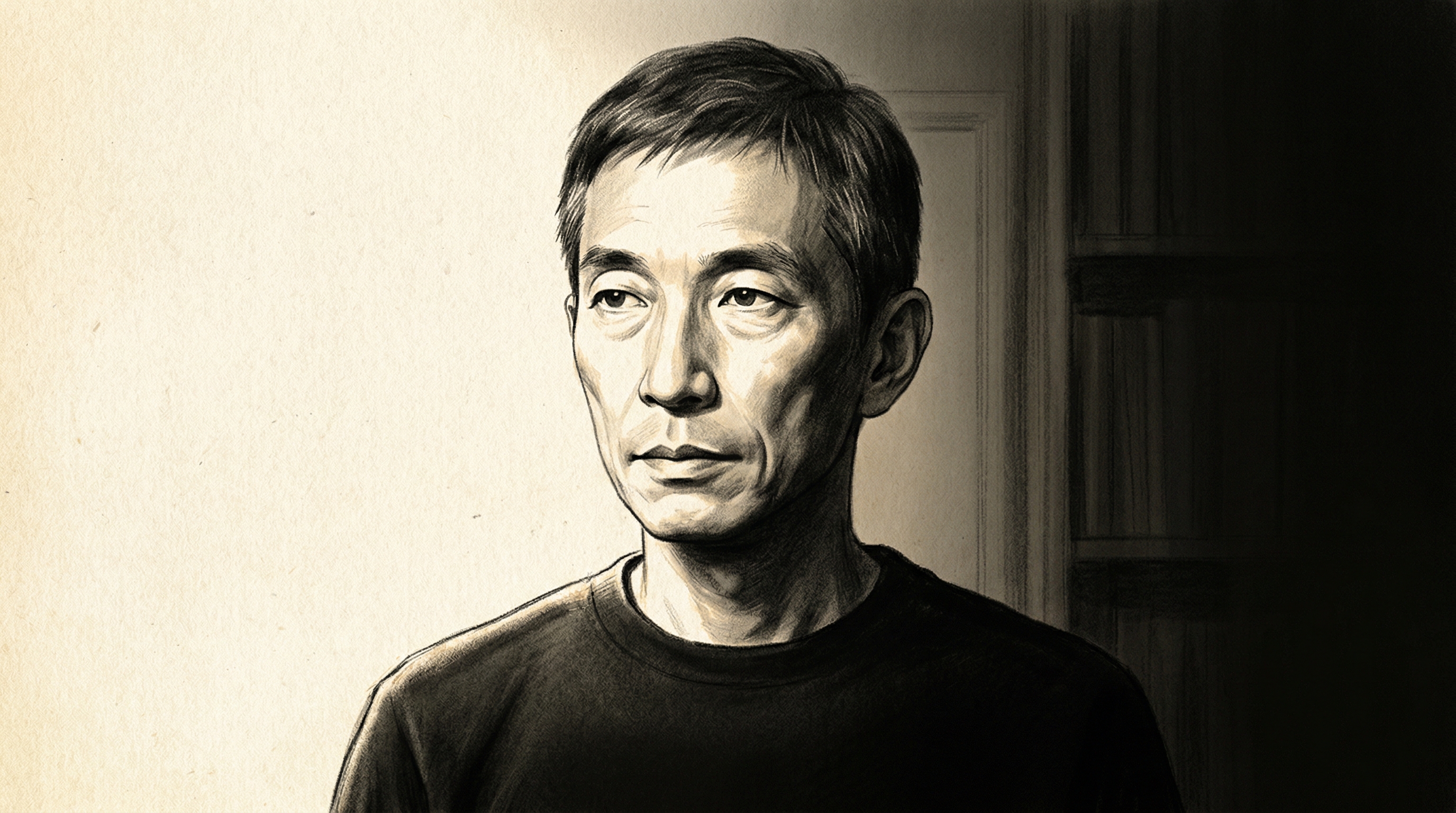
#Murakami: the silence before the world wakes
Haruki Murakami wakes at 4 AM. Writes for five and a half hours. Runs ten kilometers. Goes to bed at 9 PM. He has done this every single day for over forty years. He doesn't talk about inspiration. He talks about endurance.
When he became a novelist, he lost all his friends. He says it was worth it. The routine replaced everything — and gave him fourteen novels.
Read Murakami's full portrait →
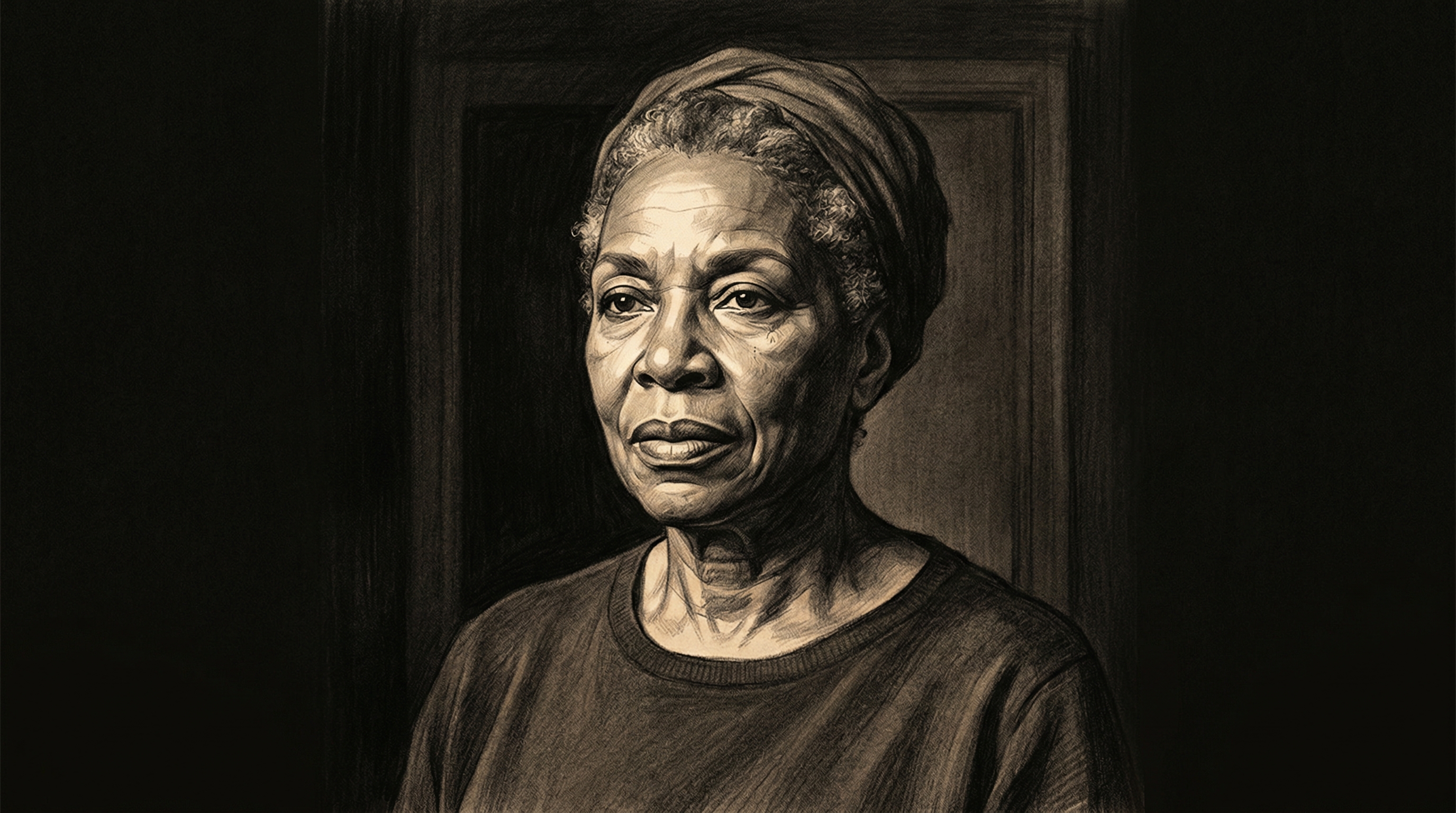
#Angelou: nothing on the walls
Maya Angelou rented anonymous hotel rooms to write. She stripped the art from the walls. She brought exactly the same items every time: a Bible, a deck of cards, a bottle of sherry, yellow legal pads. For forty-five years, she checked into rooms no one would visit, and wrote in silence.
She didn't need a house. She needed a blank room — and the discipline to enter it every morning.
Read Angelou's full portrait →
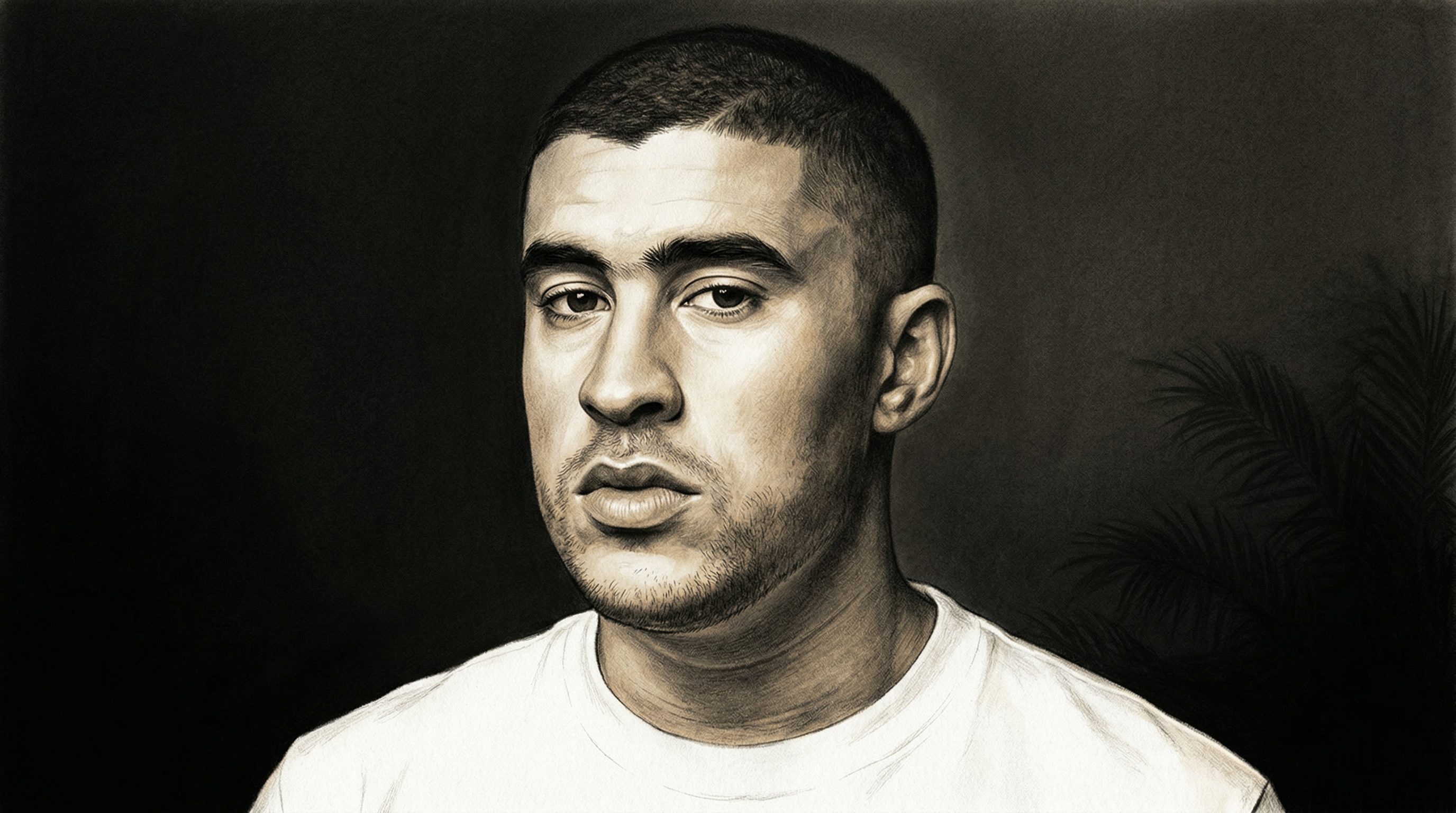
#Bad Bunny: the island he refused to leave
Every label told him to move to Miami. Every advisor said New York or Los Angeles. He became the most-streamed artist on earth and stayed in Puerto Rico. Not out of stubbornness — out of creative clarity.
The island isn't where he's from. It's where the music comes from. He understood that before anyone else did.
Read Bad Bunny's full portrait →
#The pattern underneath
Five creators. Five systems. One recurring truth: none of them relied on willpower alone. Every single one built — or found — an external structure that held their creative hours in place. Darwin had his path and his wife. Hemingway had his farmhouse. Murakami had his clock. Angelou had her blank room. Bad Bunny had his island.
The structure is what made the work sustainable. Not for a week or a month — for decades.
The question, then, is not how many hours can you work?
It's: what system will hold your best hours in place — for years?
The answer begins with a sick man in a village outside London, a gravel path he laid with his own hands, and a pile of flint stones he kicked aside every afternoon for forty years.
#References
#Footnotes
-
Currey, M. (2013). Daily Rituals: How Artists Work. Alfred A. Knopf. Study of 161 creative figures and their daily routines. ↩